
Family, Citizenship, and Education
The Social ContractThis flow follows the emotional and political shift from natural family dependence to civic membership, where public education is asked to cultivate new attachments.
increasing Bearing strength in each event
 decreasing
Bearing strength in each eventdecreasingFamily Bond Begins Naturally
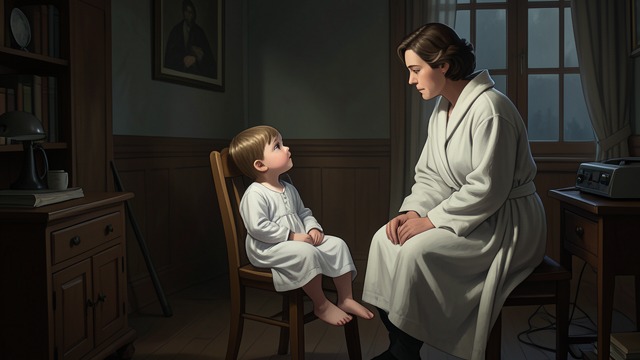
Family Bond Begins Naturally
Care and Dependence
The family is society’s earliest natural form because children need parental protection. That dependence is temporary and tied to preservation.
Independence Returns
When the need passes, children and parents return to independence. Continued unity must then be voluntary, establishing a contrast with political association.
Political Family Analogy Refused

Political Family Analogy Refused
Different Foundations
A father’s authority arises from a natural relation and care; political authority among equals must arise from convention and law. The State cannot simply inherit paternal power.
Different Duties
Rulers lack the automatic affection that binds parents to children. Their obligation to the public must be established through political institutions.
Citizenship Extends Belonging
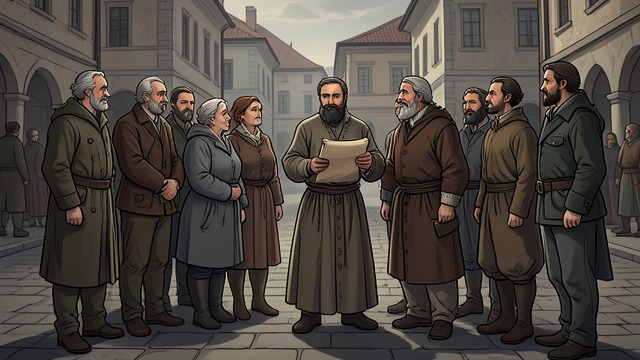
Citizenship Extends Belonging
A Wider Community
The compact creates a public body in which each person is both an individual and a member of a whole. Political membership introduces a new kind of mutual relation.
Shared Identity
Citizenship makes common law and common preservation part of personal life. It is not inherited family authority but a collective bond founded on association.
Education Forms Civic Attachments
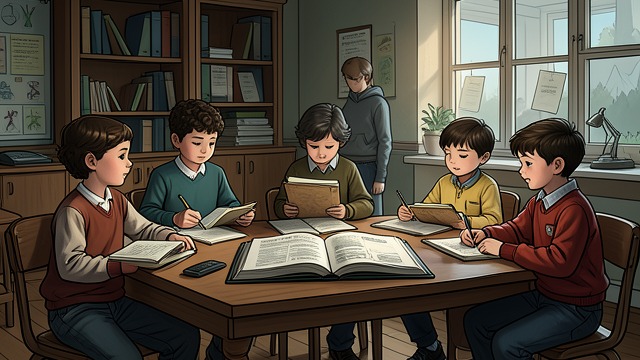
Education Forms Civic Attachments
Shared Upbringing
Rousseau proposes that children learn common laws and duties together, surrounded by examples of public belonging. Education is meant to turn political membership into lived attachment.
Beyond Private Instruction
The State has a lasting interest in children’s formation that individual families may not represent. Public schooling links generations to the common order.
Family Dissolves, State Endures
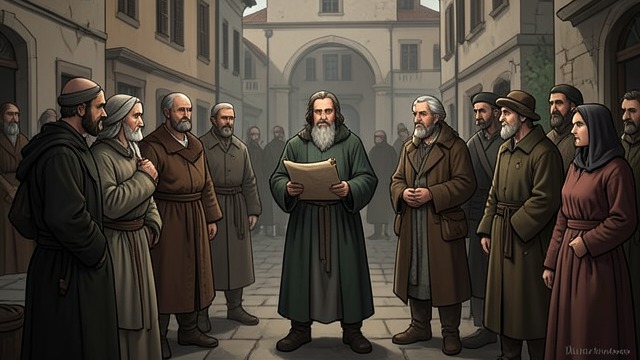
Family Dissolves, State Endures
Generational Perspective
Families end as children form households of their own, but the political community continues across generations. Public education therefore serves a longer horizon than private care.
A New Source of Loyalty
Rousseau wants citizens to become, in a civic sense, children of their country. The proposal transforms natural attachment into political allegiance.
Book I, Chapter II, at the account of the first society
Discourse on Political Economy, at the critique of patriarchal government
Book I, Chapter VI, when associates become citizens
Discourse on Political Economy, in the proposal for public education
Discourse on Political Economy, after the argument for public education
